The Doors · Keyboards
Ray Manzarek
Chicago, Illinois, 1939 – Rosenheim, Germany, 2013
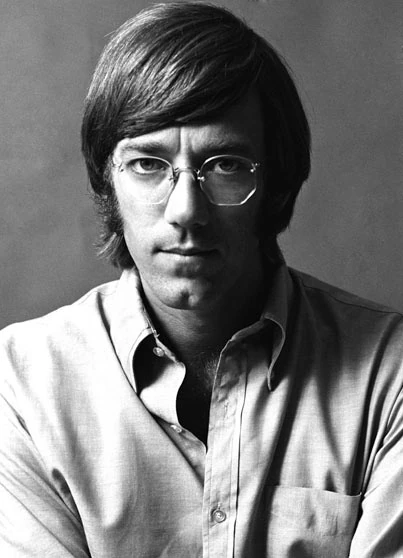
- Born
- February 12, 1939 · Chicago, Illinois
- Died
- May 20, 2013 (age 74) · Rosenheim, Germany
- Role in The Doors
- Keyboards, keyboard bass, co-founder
- Years active
- 1965–1973, plus later reunions
- Cause of death
- Bile duct cancer (cholangiocarcinoma)
- Status
- Deceased · 13 years ago
Early Life
Raymond Daniel Manczarek Jr. was born on February 12, 1939, on the South Side of Chicago, Illinois, the son of Polish immigrants. He began piano lessons at age seven and grew up on Chicago blues before earning an economics degree from DePaul University. He moved to Los Angeles for UCLA law school, then switched quickly to the university’s film school, where he met a fellow student named Jim Morrison.
Co-Founding The Doors
Manzarek and Morrison reconnected on Venice Beach in the summer of 1965, after graduation, when Morrison sang him the outline of a new song. Manzarek was already playing in a band with his brothers, Rick and Jim, and he proposed they form a group together. Fans and historians credit him as co-founder of The Doors alongside Morrison. His connections at the Maharishi Mahesh Yogi’s meditation center also led the band to drummer John Densmore, who brought in guitarist Robby Krieger. The About The Doors page covers the band’s formation in full detail.
An Instrument for a Missing Bassist
The Doors never had a full-time bass player. Rather than treat that as a limitation, Manzarek covered bass lines live and in the studio on a Fender Rhodes keyboard bass, playing it with his left hand while his right hand worked a Vox Continental or Gibson organ. That technical feat became one of the band’s signature sonic traits. His classical piano training also shaped the band’s more baroque and cabaret-inflected passages, setting The Doors apart from the guitar-centric rock of the era.
After Morrison
After Morrison’s death in 1971, Manzarek, Krieger, and Densmore chose to continue as a trio rather than recruit a new singer. They shared lead vocals across two further albums, Other Voices (1971) and Full Circle (1972), before disbanding in 1973. Manzarek then built a long solo and production career. He released solo albums including The Golden Scarab (1973) and a rock-inflected interpretation of Orff’s Carmina Burana (1983), fronted the band Nite City, and produced early albums for the Los Angeles punk band X and for Echo & the Bunnymen. He also wrote several books, including the 1998 memoir Light My Fire: My Life with The Doors and later novels.
The Doors of the 21st Century
In 2002, Manzarek and Krieger began touring under the name The Doors of the 21st Century with The Cult’s Ian Astbury on vocals. Densmore and the Morrison estate sued over rights to The Doors’ name, and a 2005 ruling ordered Manzarek and Krieger to stop using the Doors name and pay damages. The group later performed as Manzarek-Krieger. The dispute stayed a lasting source of tension between the three surviving members.
Death and Legacy
Manzarek died of bile duct cancer on May 20, 2013, at a clinic in Rosenheim, Germany, at age 74, with his wife of over four decades, Dorothy, at his side. The Rock and Roll Hall of Fame inducted him with the rest of the band in 1993. Critics and musicians still cite his keyboard bass technique and classically trained playing as one of the defining, most imitated elements of The Doors’ sound, and his archival interviews and writing featured prominently in the band’s 60th-anniversary anthology, Night Divides the Day, released in 2025.
The Band