Band History
About The Doors
Los Angeles, California · 1965–1973
Origins
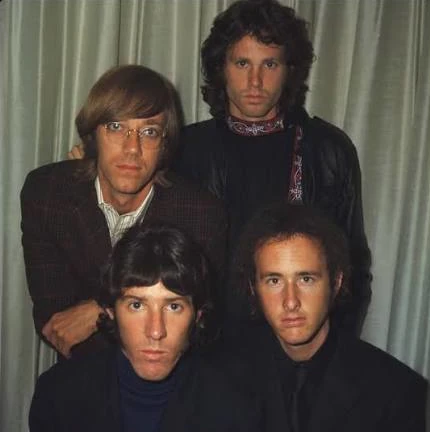
The Doors formed in Los Angeles in 1965, when Jim Morrison and Ray Manzarek, both film students at UCLA, ran into each other on Venice Beach. Morrison had been writing poetry and, according to the oft-told story, sang a few lines of a new song called “Moonlight Drive” on the spot. Manzarek was already playing in a band with his brothers, Rick & the Ravens, and he recognized something worth building around and proposed they start a group together. The name came from Aldous Huxley’s The Doors of Perception, itself drawn from a line of William Blake’s: “If the doors of perception were cleansed, everything would appear to man as it is, infinite.”
The lineup filled out later that year through Manzarek’s connections at the Maharishi’s meditation classes, where he met drummer John Densmore, who then brought in guitarist Robby Krieger. With no bassist, Manzarek played bass lines on a keyboard bass alongside his organ. That workaround became a defining part of the band’s sound rather than a limitation.
Sound and Influences
The Doors drew from an unusually wide range of sources for a mid-1960s rock band: Chicago blues and R&B, modal jazz, flamenco and Indian classical guitar technique, cabaret and show tunes, and Morrison’s own literary touchstones, including Beat poetry, Rimbaud, Nietzsche, and Blake. Manzarek’s classical piano training and Krieger’s flamenco-influenced fingerpicking gave the band a texture that stood apart from the guitar-driven rock of the era, while Densmore’s jazz background shaped the loose, swinging feel behind even their most menacing material. That combination let songs move between pop hooks, extended improvisation, and theatrical, spoken-word passages, often within the same track.
Breakthrough
Columbia Records turned the band down, but they signed with Elektra Records in 1966 and released their self-titled debut album in January 1967. The first single, “Break On Through (To the Other Side),” made little chart impact. The album’s centerpiece, Krieger’s “Light My Fire,” became a phenomenon once an edit trimmed the track from its nearly seven-minute album length down to under three minutes. That summer it reached number one on the Billboard Hot 100, and The Doors went from a Sunset Strip club act to a national headline act within months.
The Albums, 1967–1971
Morrison, Manzarek, Krieger, and Densmore recorded six studio albums together before Morrison’s death, each one shifting the band’s sound while staying recognizably theirs:
- The Doors (January 1967): the debut, built around “Light My Fire” and the extended closer “The End.”
- Strange Days (October 1967): recorded largely alongside the debut, darker and more atmospheric.
- Waiting for the Sun (July 1968): the band’s only album to reach number one on the Billboard 200, led by the single “Hello, I Love You.”
- The Soft Parade (July 1969): the first Doors album with songs credited to individual members rather than the group as a whole, and the first to bring in horns and strings.
- Morrison Hotel (February 1970): a deliberate return to blues-driven rock after the more orchestrated Soft Parade.
- L.A. Woman (April 1971): the last album recorded with Morrison, featuring the title track and “Riders on the Storm,” released just months before his death.
Browse the full album catalog for track listings and details on each release.
Provocation and the Miami Incident
The Doors’ live shows grew increasingly unpredictable as the band’s fame grew, and Morrison’s confrontational stage persona repeatedly put the band at odds with promoters and local authorities. Matters came to a head on March 1, 1969, at the Dinner Key Auditorium in Coconut Grove, Florida, where Morrison’s onstage conduct led to his arrest days later on a felony charge of lewd behavior, along with several misdemeanor counts. A Miami jury acquitted him of the felony in 1970 but convicted him of indecent exposure and profanity, and a judge sentenced him to six months of hard labor and a $500 fine. Morrison stayed free while the conviction was under appeal, and he died before courts resolved it. In December 2010, Florida Governor Charlie Crist posthumously pardoned him.
The End of an Era
In March 1971, Morrison relocated to Paris, largely to step back from music and focus on writing. Pamela Courson found him dead in his apartment bathtub on July 3, 1971. He was 27. French officials listed heart failure as the cause and never ordered an autopsy. He was buried on July 7 at Père Lachaise Cemetery, where his grave remains a pilgrimage site to this day.
Manzarek, Krieger, and Densmore chose to continue as a trio rather than replace their frontman, sharing vocal duties across two further albums, Other Voices (1971) and Full Circle (1972), before disbanding in 1973.
Legacy
The Doors were active for barely five years with their original lineup, yet their catalog has sold more than 100 million records worldwide, including over 36 million in the United States alone, and they became the first American band to notch eight consecutive RIAA-certified Gold or Platinum albums. The Rock and Roll Hall of Fame inducted the band in 1993, with Pearl Jam’s Eddie Vedder handling the induction speech. In 2014, the Library of Congress selected their debut album for preservation in the National Recording Registry. Rolling Stone has ranked The Doors 41st on its list of the 100 Greatest Artists of All Time. Their fusion of blues, jazz, and literary ambition, plus Morrison’s template for the confrontational rock frontman, went on to shape acts from Patti Smith and Iggy Pop to U2 and Pearl Jam.
The Band
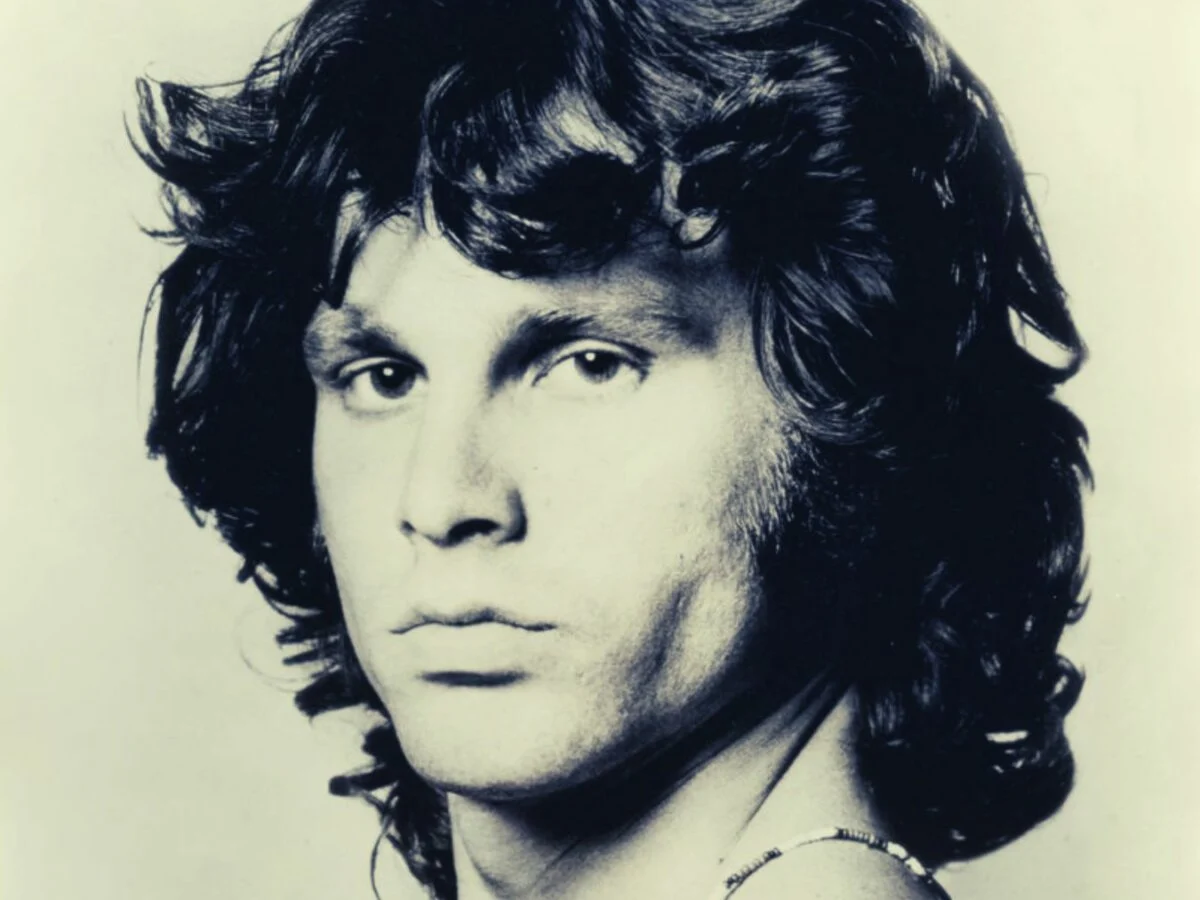
Jim Morrison: vocals, lyrics. The band’s frontman and primary lyricist, known for his baritone voice and confrontational stage presence, who brought a poet’s sensibility to rock performance.
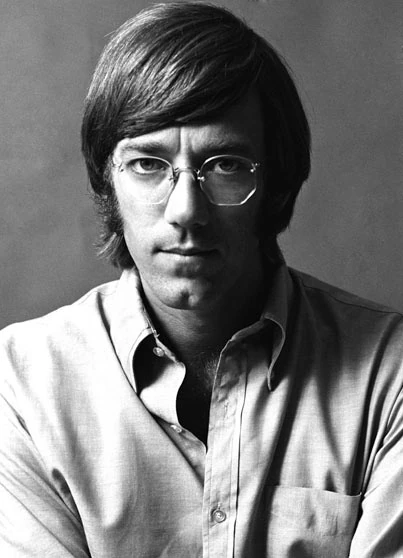
Ray Manzarek: keyboards, keyboard bass. A classically trained pianist who co-founded the band with Morrison and covered the bass parts on keyboard, giving The Doors their distinctive bass-less sound.
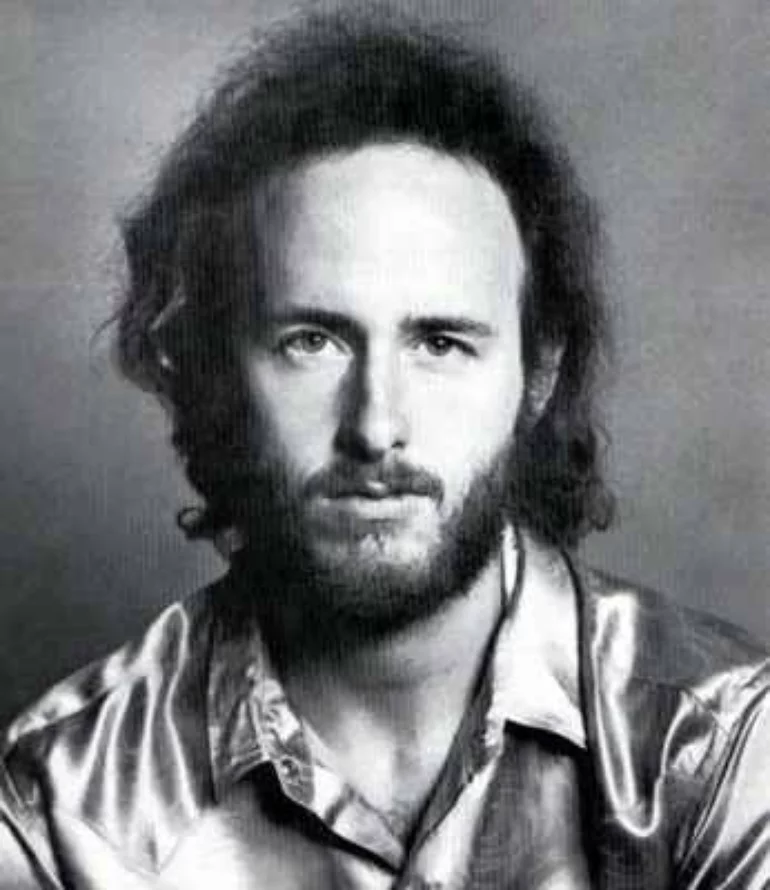
Robby Krieger: guitar. A flamenco- and Indian-classical-influenced guitarist who wrote or co-wrote several of the band’s biggest hits, including “Light My Fire.”
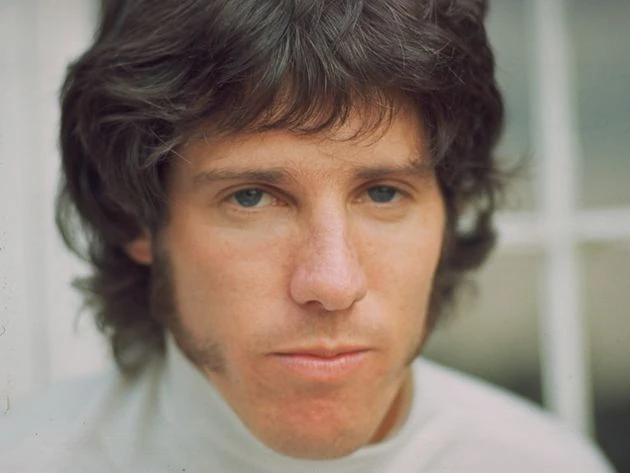
John Densmore: drums. A jazz-trained drummer whose fluid, dynamic playing gave the band room to move between delicate and explosive within a single song.
Each name above links to a dedicated page with a full biography, current status, and each member’s individual contributions to the band.